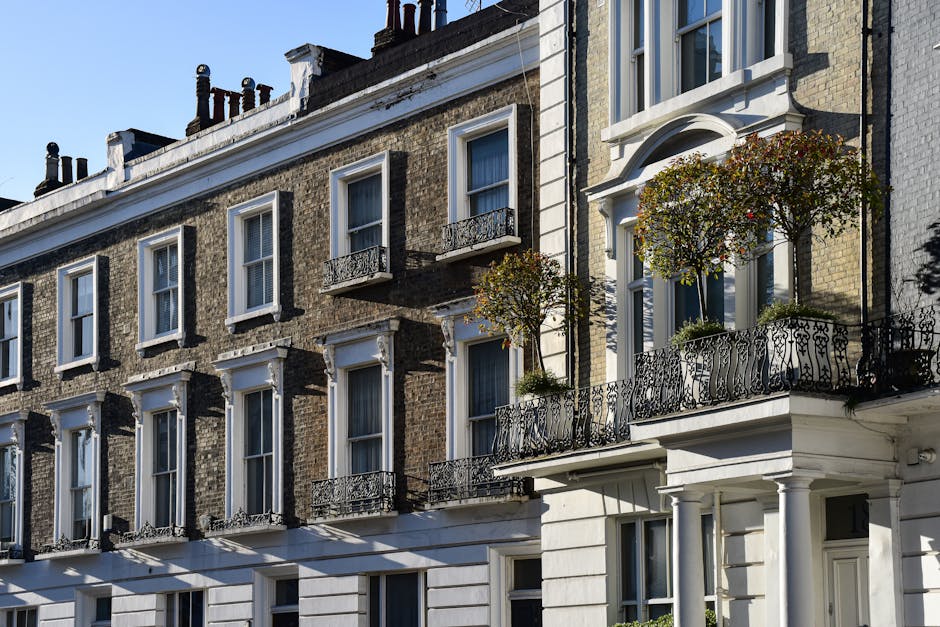
What to know about Westminster Council rules for Soho waste
If you are dealing with waste in Soho, the rules can feel a bit fiddly at first. One street has late-night hospitality waste, the next has office rubbish, and a basement clear-out can turn into a logistical puzzle before you have even found a lift. That is why understanding What to know about Westminster Council rules for Soho waste matters so much. It is not just about putting bins out on the right day; it is about avoiding mess, staying compliant, and keeping your property, business, or project moving without awkward surprises.
In a place as busy and compact as Soho, waste management is shaped by limited pavement space, mixed-use buildings, high footfall, and strict expectations around storage, presentation, and collection. This guide breaks it all down in plain English: what tends to matter, how the process usually works, what good practice looks like, and where people most often go wrong. You will also find a practical checklist, a comparison table, and a real-world example to help make the rules feel less abstract. Let's make it manageable.
Why Westminster Council waste rules matter in Soho
Soho is not the sort of place where waste can be treated casually. Pavements are busy, access is tight, and a missed bin collection or badly stored sack can be noticed fast. In practical terms, Westminster Council rules help keep the area cleaner, safer, and easier to live and work in. They also reduce the risk of complaints from neighbours, visitors, or neighbouring businesses, which in Soho can happen quicker than you might expect.
For residents, the rules help stop bins blocking narrow entrances or attracting pests. For commercial premises, they create a framework for dealing with mixed waste streams such as food waste, packaging, paper, glass, and general rubbish. And for anyone arranging a flat clearance, office clear-out, or refurbishment, they shape how and when waste can be moved without causing disruption. Truth be told, in Soho the difference between a smooth job and a stressful one is often down to planning the waste side properly.
There is also a reputational side. A tidy frontage says a lot. Nobody wants a pile of black bags slumped outside at the wrong time, especially on a rainy evening when the smell hangs around a bit longer than you'd like. If you are trying to present a professional image, waste handling is part of that. Not glamorous, but absolutely visible.
Key takeaway: In Soho, waste rules are not just admin. They help protect access, hygiene, safety, and the public image of your property or business. A little planning goes a long way.
How Westminster Council rules for Soho waste generally work
The exact requirements can vary depending on whether the waste is from a home, a business, a licensed premises, a refurbishment, or a one-off clearance. That said, the core logic is fairly consistent: waste needs to be separated properly, stored neatly, presented at the correct time, and collected or removed without creating hazards or obstruction.
In simple terms, the process usually involves five moving parts:
- Sorting the waste type. General waste, recycling, food waste, bulky items, and construction debris often need different handling.
- Storing it correctly. Waste should be kept so it does not leak, spill, attract pests, or block access routes.
- Putting it out at the right time. Prematurely left waste can be an issue in busy streets like those around Soho.
- Using the appropriate collection or removal method. That might be council collection, a commercial waste arrangement, or a professional clearance service.
- Keeping records where needed. Businesses often need some level of proof that waste is handled responsibly. It is not a bad habit for households either, to be fair.
Soho's environment makes timing especially important. A back alley that seems calm at 7 a.m. may be busy by lunchtime. Deliveries, customers, and venue operations all compete for the same limited space. Waste left in the wrong place can obstruct access for cleaners, loaders, emergency access, or neighbouring properties. That is where a practical approach matters more than theory.
If you are booking a professional clearance, it helps to check the company's operational standards too. Details around health and safety procedures, insurance and safety cover, and recycling and sustainability practices can tell you a lot about how seriously they take compliance and environmental responsibility.
Key benefits and practical advantages
Following the right waste approach is not just about avoiding penalties. It genuinely makes life easier. In Soho, where access can already be a headache, a decent system for waste management saves time, keeps people happier, and cuts down on avoidable disruption.
- Cleaner surroundings: Better storage and timely collection reduce odours, litter, and clutter around entrances.
- Fewer complaints: Neighbours, building managers, and passers-by are less likely to raise issues.
- Safer working conditions: Less manual handling chaos, fewer trip hazards, and clearer access routes.
- Better recycling outcomes: Separating recyclables properly can reduce contamination and improve diversion from landfill.
- Less operational stress: Clear procedures mean fewer last-minute panics when waste starts piling up.
- Stronger business presentation: This matters a lot in hospitality, retail, and office environments where first impressions count.
There is also a subtle financial advantage. Poor waste handling often creates hidden costs: extra labour, repeat trips, missed deadlines, or emergency clearances. You might not notice it immediately, but it adds up. A structured process tends to be calmer and cheaper in the long run. Not exciting, granted. Still useful.
Who this is for and when it makes sense
These rules and best practices are relevant to a wide range of people and organisations in Soho. If any of the following sound familiar, you are in the right place.
- Residents who need to manage household waste, bulky items, or a flat clearance.
- Landlords and letting agents dealing with end-of-tenancy rubbish, abandoned items, or move-in clean-ups.
- Office managers clearing old furniture, archives, packaging, or electronic waste.
- Hospitality operators handling food waste, glass, cardboard, and busy service-area rubbish.
- Retailers and salons generating regular waste that needs tidy, predictable handling.
- Contractors and project managers working on refurbishments, fit-outs, or strip-outs.
It makes sense to think about waste planning early if you are doing anything that changes volume, timing, or waste type. A renovation, for example, can suddenly produce plasterboard, timber, old fixtures, packaging, and dust all at once. A busy restaurant may need a different rhythm from a quiet office. Same postcode, different realities. That's Soho for you.
If your priority is arranging a one-off removal without overcomplicating things, it can also help to review pricing and quote information so you understand how the service is structured before you book.
Step-by-step guidance
Here is a straightforward way to approach Soho waste in a Westminster Council context, without overthinking it.
1. Identify the waste clearly
Start by separating what you have. Is it general household rubbish, recyclable packaging, food waste, bulky furniture, or construction material? Different waste types need different handling. Mixed piles cause confusion, and confusion is where mistakes creep in.
2. Check the property access
In Soho, access can be the real challenge. Look at doorway width, staircases, loading access, lift availability, and whether waste must pass through shared areas. If bins or sacks need to be moved through a narrow corridor, plan the route so nobody is cornered by a sofa on a Tuesday morning. Sounds obvious, but you would be surprised.
3. Decide on the right disposal route
For some waste, regular collections may be enough. For bulkier items or larger clearances, a professional collection is often more practical. For businesses, make sure your waste arrangement matches your actual volume and frequency. If not, overspill becomes inevitable.
4. Prepare the waste safely
Bag loose items, break down boxes if appropriate, and keep sharp or hazardous objects separate. This makes collection quicker and reduces injury risk. A smashed mirror, for instance, should never be handled as though it were soft packaging.
5. Present it correctly
Waste should be placed where it is meant to go, at the right time, and in a way that does not block paths, entrances, or neighbouring spaces. In a busy district like Soho, timing is almost everything.
6. Confirm what happens next
After collection, make sure the area is left clean and the waste has gone where it should. If you are using a professional clearance service, ask for clear confirmation of disposal and recycling arrangements where relevant.
Here is the short version:
Sort it, secure it, time it, move it safely, and document it if needed.
Expert tips for better results
There are a few practical habits that make a noticeable difference. None of them are dramatic. They just reduce friction.
- Leave a little buffer time. Soho traffic, deliveries, and shared building access can all run late. Build that in.
- Use the right sacks or containers. Thin bags split. Heavy-duty ones save headaches.
- Label waste streams internally. Even a handwritten note on boxes can reduce contamination and confusion.
- Plan for odour and weather. Wet cardboard, food waste, and warm bin stores are a bad combination.
- Keep communal areas clear. One small obstruction can turn into a complaint surprisingly fast.
- Ask questions before the job starts. A good provider will explain what they can take, how they load, and what happens to the waste afterwards.
If you are comparing providers, it is worth looking beyond the headline service. Policies matter. For example, a clear terms and conditions page can help you understand responsibilities, while a transparent payment and security process adds peace of mind. Small details, yes, but they say a lot.
One practical observation from busy urban jobs: the best waste plans are not the fanciest. They are the ones people can actually follow when it is raining, the lift is slow, and somebody needs to get to the next appointment. Real life, basically.
Common mistakes to avoid
Most waste problems in dense areas come from the same handful of avoidable errors. The trick is spotting them early.
- Leaving waste out too early: This creates clutter, attracts attention, and can become a nuisance.
- Mixing recyclables with general waste: Contamination reduces recycling efficiency and can create extra handling.
- Underestimating volume: A few bags can become a van-load very quickly.
- Ignoring access constraints: Narrow stairs and tight loading points need planning, not optimism.
- Using the wrong disposal route: Some items need special handling, not just a standard bin.
- Assuming someone else will tidy it up: Dangerous assumption. One that causes friction, too.
A very common Soho scenario is the "small clear-out that wasn't really small." A tenant leaves behind chairs, paperwork, kitchen bits, and packaging, then the pile sits there while everyone argues about who is responsible. By the time that gets sorted, people are already irritated. It happens. Planning ahead avoids that whole mess.
It is also worth keeping an eye on complaints handling and trust signals if you are choosing a provider. A visible complaints procedure suggests there is a process if something does go wrong, and that matters more than people sometimes admit.
Tools, resources and recommendations
You do not need a complicated toolkit to manage Soho waste well, but a few simple items and documents make a big difference.
| Need | Helpful approach | Why it helps |
|---|---|---|
| Sorting mixed waste | Separate by material and purpose before collection | Reduces contamination and makes handling faster |
| Handling bulky items | Measure access points and clear routes in advance | Prevents delays and avoids damage |
| Business compliance | Keep clear internal records of pickups and waste types | Supports accountability and better operations |
| Choosing a provider | Review service terms, safety, insurance, and sustainability details | Improves trust and reduces unpleasant surprises |
Some of the most useful website pages for support are the ones people skim past. If you want to understand service standards better, look at the company background and approach, insurance and safety information, and privacy details. For people who want to see the environmental side more clearly, the recycling and sustainability page is especially useful.
If you need to make contact after reviewing your options, the contact page is the sensible next step. Simple, but effective.
Law, compliance, standards, and best practice
Waste in Westminster is shaped by a combination of local arrangements, general UK waste responsibilities, landlord or lease obligations, and common-sense safety expectations. Because requirements can differ by waste type and property setup, it is wise to treat compliance as a practical checklist rather than a single rule.
For households, the main concern is usually presenting waste correctly and avoiding obstruction or nuisance. For businesses, there is often a stronger duty to separate waste streams appropriately and ensure commercial waste is handled by a suitable arrangement. If you are producing waste as part of a trade, office operation, hospitality activity, or refurbishment, you should be especially careful about mixed waste, storage, and the handover point.
Best practice usually includes:
- keeping waste contained and secure
- separating recyclables where practical
- avoiding blocked pavements or fire exits
- using safe lifting and handling methods
- choosing insured, reputable providers
- retaining relevant paperwork where a business or contractor needs it
There is a real distinction between what is legally required, what is contractually expected, and what is simply smart practice. In Soho, those three overlap a lot. So if you are unsure, err on the side of tidiness, traceability, and caution. That approach rarely causes trouble.
Also, if accessibility matters for your building users or customers, it is worth taking a glance at the accessibility statement. Waste planning is not usually discussed in accessibility terms, but blocking routes or entrances can become a genuine access issue very quickly.
Options, methods, or comparison table
People in Soho usually choose between a few different waste routes. The right option depends on waste volume, urgency, access, and how much admin you want to handle yourself. Here is a practical comparison.
| Option | Best for | Pros | Trade-offs |
|---|---|---|---|
| Regular council collection | Routine household or low-volume waste | Simple, predictable, familiar | Less flexible for bulky or unusual items |
| Commercial waste arrangement | Businesses with steady waste output | Scales better for ongoing needs | Requires good separation and scheduling |
| One-off professional clearance | Flat clearances, office moves, bulky rubbish | Fast, convenient, less manual effort for you | Needs clear scope and access planning |
| Project or refurbishment clearance | Fit-outs, strip-outs, building work | Handles larger, mixed, and awkward waste | Can be more complex if the site is tight or occupied |
In practice, the best route is the one that matches the reality of your site. A quiet office with occasional waste is very different from a sandwich bar on a Friday evening, and a basement flat with no lift is different again. Obvious, yes, but people still make the wrong choice all the time.
Case study or real-world example
Imagine a small Soho creative office moving out of a top-floor space at the end of a lease. The team has desks, chair frames, cardboard packaging, old monitors, and a stack of files that has been sitting in a corner for years. There is no lift, the stairwell is narrow, and the building shares an entrance with other tenants. Not ideal.
Instead of trying to move everything in one chaotic rush, the office manager splits the job into stages. Paperwork is separated for confidential disposal. Packaging is flattened. Furniture is checked for re-use or recycling options. The team clears access routes first, then schedules the removal for a time that avoids heavy building traffic. The provider is briefed in advance about stairs, loading access, and the need to keep communal areas clear.
The result? Less noise, fewer complaints, and no pile of unsightly waste hanging around for half the day. The team gets the space cleared with minimal drama. Nothing magical happened. They just planned properly.
That is the pattern you see again and again in Soho. The jobs that go smoothly usually have one thing in common: someone thought about access, timing, and sorting before the van arrived.
Practical checklist
Use this checklist before placing waste out or booking a clearance.
- Identify the waste type: household, commercial, recyclable, food, bulky, or construction.
- Check access: stairs, lifts, door widths, shared corridors, and loading points.
- Separate materials: keep recyclable items apart where possible.
- Contain sharp or hazardous items: never leave them loose.
- Confirm timing: know exactly when waste should be presented or collected.
- Keep routes clear: entrances, exits, and communal paths must stay open.
- Review provider terms: understand what is included and what is not.
- Check insurance and safety: particularly important for awkward, heavy, or high-volume work.
- Think about recycling: waste does not all need to end up in general disposal.
- Leave the area clean: a quick final sweep saves hassle later.
If you are unsure where to begin, start with one question: what is the waste, and where does it need to go? That alone narrows the job down a lot.
Conclusion
Understanding What to know about Westminster Council rules for Soho waste is really about being organised in a place that leaves very little room for disorganisation. Soho rewards good timing, clear sorting, and respectful handling of shared space. Whether you are a resident, landlord, manager, or business owner, the aim is the same: keep waste under control without creating friction for everyone else around you.
The good news is that once you understand the basics, the rest becomes much easier. Sort the waste properly, plan access, use trusted support where needed, and keep an eye on safety and sustainability. That combination tends to work well in the real world, not just on paper.
Get a free quote today and see how much you can save.
And if you are still at the stage of weighing options, that is fine. A calm, well-planned approach usually wins in the end. One tidy decision at a time.
Frequently Asked Questions
What is the main thing to know about Westminster Council rules for Soho waste?
The main thing is that waste must be managed in a way that does not create obstruction, nuisance, or safety issues. In Soho, access and timing matter a great deal because the area is busy and space is limited.
Do Soho businesses need different waste arrangements from households?
Usually yes. Businesses often generate more waste, different waste streams, and more regular collections. That means they need a system that suits their actual operations rather than a household-style setup.
Can I leave rubbish outside my property until collection day?
Only if it is presented in the correct way and at the correct time. Leaving waste out too early can cause problems, especially in busy streets where it may block access or create a nuisance.
What should I do with bulky items in Soho?
Bulky items usually need advance planning. Check access carefully, confirm how the items will be moved, and choose a removal method that can handle stairs, narrow halls, or restricted loading points.
How do I know if I need a professional clearance service?
If you have a large volume, mixed waste, awkward access, or a tight deadline, a professional clearance service often makes more sense. It is especially useful for flat clearances, office moves, and refurbishment waste.
What happens if waste is not sorted properly?
Mis-sorted waste can be harder to collect, harder to recycle, and more likely to cause delays or extra handling. In business settings, it can also create compliance headaches and cost you time.
Is recycling important for Soho waste?
Yes, very. Recycling helps reduce the amount of material going into general waste and supports cleaner, more efficient handling overall. Good separation also makes the whole process less messy.
What are the biggest access problems in Soho?
Narrow stairwells, limited loading space, shared entrances, and restricted pavement room are the usual headaches. These are exactly the sorts of things that need checking before any waste removal starts.
How do I choose a trustworthy waste provider?
Look for clear pricing, safety information, insurance details, transparent terms, and a sensible complaints process. A provider that explains what will happen to your waste is usually a safer bet.
What should I ask before booking a clearance?
Ask what waste types they can take, how they handle access, whether recycling is included, what is not included, and what proof or confirmation you will receive after collection. Those questions save awkwardness later.
Are there special concerns for food waste in Soho?
Yes. Food waste needs careful storage and prompt removal because of odour, hygiene, and pest concerns. In hospitality settings, this is one area where slow or sloppy handling can become obvious very quickly.
Can I get help if I am unsure about the rules or next step?
Absolutely. If the situation feels messy or you are not sure which route is best, it helps to speak with a provider that understands local access, safety, and waste handling expectations. A short conversation can save a lot of back-and-forth.