How to avoid common mistakes when booking Soho rubbish collection
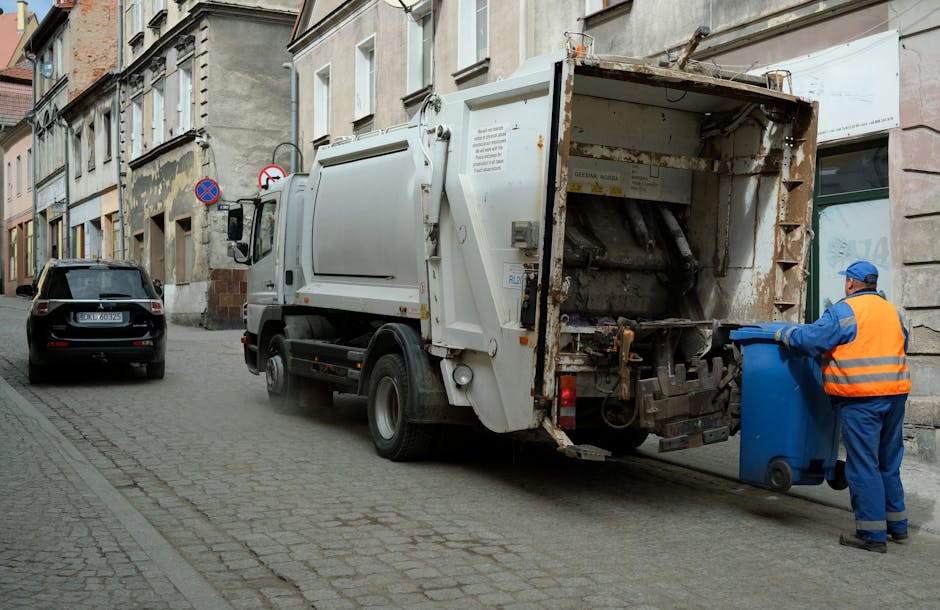
Booking rubbish collection in Soho sounds simple enough. A few items, a quick call, job done. But in practice, the small details matter a lot more than people expect. Narrow streets, basement flats, loading restrictions, awkward staircases, and mixed waste can turn a straightforward clearance into a messy one if you rush the booking.
This guide on How to avoid common mistakes when booking Soho rubbish collection is written to help you make a cleaner, calmer decision. You will learn what usually goes wrong, how the process works, which questions to ask before you book, and how to spot a service that is actually set up for central London jobs. No fluff. Just the stuff that saves time, money, and a bit of headache.
One thing people often forget: rubbish collection is not just about removing stuff. It is about access, sorting, timing, and trust. Get those wrong and the whole day can slip sideways. Get them right and the job feels almost easy. Almost.
Why avoiding booking mistakes matters in Soho
Soho is not the sort of place where a sloppy booking gets politely forgiven. Streets can be busy, parking can be tight, and many properties sit above shops, down side lanes, or tucked into older buildings with tricky access. If you book a collection without checking the basics, you may end up with delays, extra charges, or a team that simply cannot complete the job in one visit.
That matters for homeowners, landlords, tenants, office managers, shop owners, and anyone clearing a flat or commercial space. A clearance that starts late can clash with neighbours, contractors, building managers, or even your own moving schedule. And in a place like Soho, timing is not a minor detail. It is the whole game.
There is also the question of what happens after collection. Responsible disposal, correct handling of mixed waste, and sensible recycling arrangements should all be part of the decision. If a provider cannot explain where the waste goes, or how they separate reusable items from general rubbish, that is usually a sign to keep looking. To be fair, that is a useful warning in any part of London, but Soho makes the stakes feel a bit sharper.
Expert summary: The best Soho rubbish collection booking is the one that is clear, specific, and honest before anyone turns up. If the quote, access details, and waste type are all understood in advance, the job is far less likely to go wrong.
How Soho rubbish collection usually works
Most rubbish collection services follow a similar process, whether you are clearing a flat, disposing of furniture, or dealing with builder's waste after a small renovation. The differences usually come down to how much detail they ask for before arrival and how well they prepare for central London access.
Typical booking flow
- You describe the waste type, volume, and location.
- The provider asks for photos or a rough list if needed.
- A quote is given, sometimes as a range and sometimes as a fixed price.
- You choose a time slot and confirm access details.
- The team arrives, assesses the load, and removes the waste.
- The waste is sorted for recycling, reuse, or disposal.
Sounds simple. It can be. But the weak points are always the same: vague descriptions, poor access information, and assumptions about what is included. A lift that is out of service, a permit issue, or a surprise pile of mixed rubbish can change the whole cost structure. That is why a careful booking is worth a few extra minutes at the start.
If you are dealing with a specific type of clearance, it can help to look at the service that best matches the job, such as house clearance, flat clearance, office clearance, or builders waste clearance. Matching the service to the job makes quoting and scheduling much cleaner.
Key benefits of booking it properly
When you avoid the common mistakes, you get more than a tidy room. You get a smoother day, fewer surprises, and usually a better value outcome overall.
- Fewer delays: Accurate access and waste details mean the team can plan properly.
- Better pricing clarity: Clear information reduces the chance of add-ons or re-quotes.
- Less stress: You know what is happening, when, and why.
- Improved safety: A well-planned collection reduces lifting risks and corridor damage.
- Better recycling outcomes: A provider that understands sorting can divert more material from landfill.
There is also a quieter benefit: confidence. Once you know the job is booked well, you stop second-guessing every detail. That sounds small, but anyone who has tried to clear a cluttered Soho flat on a Friday afternoon will know it is a genuine relief.
Who this is for and when it makes sense
This guidance is useful for almost anyone booking rubbish removal in Soho, but especially if your property or business sits in a high-traffic, high-access-pressure area. That includes landlords clearing between tenancies, tenants leaving a flat in a hurry, office managers dealing with end-of-lease waste, retailers removing packaging or stock waste, and homeowners tackling long-postponed clutter.
It also makes sense if the job is not exactly huge, but not small either. A single mattress is one thing. A mix of old furniture, broken shelving, a bag pile, and some awkward bits from a loft or basement is another. That is where people often underestimate the time and space needed.
If your waste is mixed, bulky, or tied to a bigger property clean-out, it may be worth exploring the most relevant clearance route first, such as furniture clearance, furniture disposal, loft clearance, garage clearance, or general waste removal.
If you are not sure which service fits, that is normal. In fact, it is better to be unsure at the quote stage than to guess and hope for the best. Hope is not a strategy here, really.
Step-by-step guidance
Here is a practical way to avoid the usual booking mistakes. Follow it once and you will probably never book the same way again.
1. Make a precise list of what needs removing
Start with the basics: furniture, bags, boxes, loose rubbish, appliances, garden waste, or construction debris. If there are mixed materials, say so. A sofa and a stack of cardboard are not the same job as plasterboard and timber, and a provider needs to know that before they quote.
2. Count access problems, not just items
Ask yourself: is there a lift? Are there stairs? Is the property on a narrow road? Is loading from the front, rear, or a service entrance? Can a van stop close enough? In Soho, these questions can matter more than item count. Sometimes much more.
3. Send photos if the provider asks
Photos are not just for convenience. They cut down on misunderstandings. A quick set of images of the room, the pile, and the access route can make the quote far more accurate. You do not need artful pictures; no one is judging your bins. Just clear ones.
4. Ask what is included in the price
Check whether the quote includes labour, loading, transport, disposal, recycling, parking, and congestion-related issues if relevant. Also ask how the provider handles items that turn out to be heavier, larger, or more numerous than expected.
5. Confirm timing and site rules
In Soho, timing windows matter. A good provider should be able to work around building access hours or business opening times where possible. If your building has a porter, a booking desk, or a loading restriction, say so early.
6. Check paperwork before you agree
Read the main terms, payment conditions, and cancellation rules. It is not the fun part, no. But it avoids confusion later. You should also make sure the company can explain how it handles insurance and safety matters. If you need a better sense of the business behind the service, the about us page is a sensible place to start.
7. Book with enough buffer time
Do not leave a collection to the same hour you need the room empty for movers, decorators, or a final inventory check. Leave room for traffic, access delays, and the odd surprise. Soho traffic can be impatient on a good day.
Expert tips for better results
There are a few habits that make a big difference. They are not dramatic, but they work.
- Separate items before the crew arrives. Put keep, donate, and remove piles in different places if you can.
- Measure the awkward pieces. Wardrobes, desks, and bulky sofas often cause more trouble than expected.
- Tell the truth about the volume. Underreporting waste usually backfires. It can change the quote and extend the job.
- Ask about recycling and sustainability. A good provider should be able to explain their disposal approach in plain language. You can also review a company's recycling and sustainability information if available.
- Keep valuables and paperwork separate. Sounds obvious, but in a busy flat, the smallest loose item can be easy to miss.
- Plan for a quick walkthrough. A two-minute check at the start can prevent a twenty-minute dispute at the end.
One practical trick from real-world jobs: take a few wide-angle photos in daylight before the clutter is shifted around. Morning light near a window usually shows the pile better than your phone flash at 6pm. Small thing. Big help.
Common mistakes to avoid
This is the part that saves the most trouble. The mistakes below are common because they are easy to make, especially if you are in a rush or dealing with a stressful move.
Booking on price alone
The cheapest quote is not always the best value. A low price can hide limited labour, restricted waste types, or surprise fees for access and loading. If something feels oddly cheap, ask what is missing.
Being vague about the waste
"Just a few bits and pieces" is the sort of phrase that creates problems. Is it a couple of bags, a dismantled bed, builder's offcuts, or a full flat's worth of clutter? Say exactly what you have. Really, exactly.
Ignoring access conditions
Soho access can be the main challenge. If the provider arrives expecting easy roadside loading and finds a narrow mews, a locked courtyard, or four flights of stairs, the job can slow down fast.
Not checking what cannot be taken
Some materials need special handling, and not every provider accepts every type of waste. If you have anything unusual, ask before booking. That can include mixed construction waste, heavy items, or waste that needs separate treatment.
Forgetting about timing
Leaving the booking too late is risky. So is booking too early without confirming your own schedule. The sweet spot is simple: enough time to plan, not so much time that the details go stale.
Not reading terms and payment details
People skip the terms because they are boring. Fair enough. But that is often where cancellation rules, payment expectations, and service limitations live. The same goes for terms and conditions and payment and security information.
Assuming every service is the same
It is not. A rubbish collection team handling a garden clearance, an office strip-out, or a house clearance may have different equipment, vehicle needs, and pricing logic. Choosing the closest match matters.
Tools, resources and recommendations
You do not need fancy software to book rubbish collection well. A short checklist, a phone camera, and a bit of honest note-taking are usually enough. Still, a few resources on the provider's site can be genuinely useful.
- Pricing information: helps you understand how quotes are structured and what may affect the final figure.
- Insurance and safety details: useful if the collection involves stairwells, shared hallways, or heavier items.
- Complaints process: not something you hope to use, obviously, but worth checking for peace of mind.
- Accessibility information: helpful in buildings with limited lifts, steps, or tighter entry routes.
- Privacy and cookie policies: practical if you are filling out forms or uploading photos online.
For larger or more specific jobs, it can also help to compare the service type rather than thinking only in general terms. For example, a cleared-out basement may point you toward home clearance, while an end-of-lease work fit-out may be better handled through office clearance or business waste removal. Matching the job to the right service is boring in the best possible way. It works.
Law, compliance, standards and best practice
Without overcomplicating it, any rubbish collection in the UK should be handled responsibly and with care for waste transfer, disposal routes, and safety. You do not need to become a compliance expert to book well, but you should expect a provider to act professionally and to explain how they manage waste.
For practical purposes, that means a few things. The service should be clear about what it will collect, how it will load items safely, and what happens to the waste afterwards. If a job involves shared hallways, stairwells, or commercial premises, safety and insurance become even more important. The same goes for heavy lifting, sharp items, or anything that could damage walls, flooring, or communal areas.
It is also wise to think about environmental handling. Responsible waste contractors should aim to sort recyclable materials where possible and avoid sending usable items straight to disposal without reason. If sustainability matters to you, ask about their recycling approach before you book. A straightforward answer is a good sign. A vague one is not.
For commercial premises, there may also be building rules, landlord requirements, or internal procedures that affect access and timing. That is not technically the same as law, but in the real world it matters just as much. Sometimes more.
Options, methods, or comparison table
If you are choosing between collection methods, it helps to compare the usual options side by side. The right choice depends on volume, access, urgency, and how much lifting you want to avoid.
| Option | Best for | Pros | Watch out for |
|---|---|---|---|
| Manual self-removal | Very small loads | Cheap if you already have transport | Time, parking, lifting, disposal confusion |
| Van-based rubbish collection | Mixed household or business waste | Convenient, faster, less lifting for you | Needs accurate access details and item descriptions |
| Specialist clearance service | Large or awkward clear-outs | Better for bulky items and tricky spaces | May cost more, but usually saves hassle |
| DIY skip hire | Longer projects with steady waste output | Good for ongoing works | Space restrictions and permit considerations |
For most Soho jobs, a van-based collection or specialist clearance is the most practical. Skips can be useful in some situations, but central London often makes access and placement a bigger issue than people expect.
Case study or real-world example
Here is a realistic scenario. A tenant is moving out of a small Soho flat after years of accumulation: a broken bookcase, a mattress, two bags of mixed clutter, and a few kitchen items that no longer belong in the property. The first instinct is to say, "It's just a small job." But the flat is up two narrow flights of stairs, the road outside is busy, and the move-out window is only 45 minutes before the inventory check.
They send a quick list, but the collection company asks for photos. Those photos reveal that one sideboard is too bulky for the stairwell unless it is dismantled first. That changes the plan slightly, but it also saves everyone from turning up unprepared. The quote is adjusted, the time slot is confirmed, and the job is done without a last-minute scramble.
Now compare that with the alternative: no photos, no access notes, no mention of the tight staircase. The crew arrives, realises the obstacle, and the whole booking becomes awkward. Maybe it still gets done. Maybe it doesn't. Either way, the day is worse than it needed to be.
That is why the best bookings are specific. Not glamorous. Just specific.
Practical checklist
Use this before you confirm a Soho rubbish collection booking.
- List every item or type of waste clearly.
- Separate bulky items, bags, boxes, and special materials.
- Check how the property is accessed.
- Note stairs, lifts, loading points, and parking limits.
- Take clear photos of the waste and the route out.
- Ask what is included in the quote.
- Ask whether recycling or reuse is part of the service.
- Confirm the time slot and any building restrictions.
- Read the terms, payment, and cancellation details.
- Keep valuables, documents, and personal items out of the clearance area.
- Choose the service type that actually matches the job.
If you can tick those off, you are already ahead of most rushed bookings. Simple, really.
Conclusion
Knowing how to avoid common mistakes when booking Soho rubbish collection is mostly about slowing down just enough to ask the right questions. Clear descriptions, honest access details, sensible timing, and a bit of attention to terms all make the process smoother. In a place like Soho, that extra care pays off quickly.
The best outcome is usually the least dramatic one: no surprises, no confusion, no awkward call-backs, and no pile of rubbish still sitting there when you thought the job was finished. That is the standard to aim for.
Whether you are clearing a flat, a shop, an office, or a single awkward item, a careful booking gives you more control and less stress. And to be fair, that is what most people want in the first place.
Get a free quote today and see how much you can save.
Frequently Asked Questions
What is the biggest mistake people make when booking rubbish collection in Soho?
The biggest mistake is usually being too vague about the waste and the access. In Soho, that can lead to inaccurate quotes or delays because the provider was not prepared for stairs, loading limits, or mixed items.
Should I send photos before booking?
Yes, if the provider asks for them. Photos help make the quote more accurate and reduce the chance of surprise charges. A few clear pictures of the waste and access route are usually enough.
Is the cheapest quote always the best choice?
Not really. A low quote can be fine, but only if it is clear what is included. If the price seems unusually low, check whether labour, transport, disposal, and access issues are covered.
How much detail should I give about the rubbish?
As much as possible. Say what the items are, how many there are, whether they are bulky, and whether anything is unusually heavy or awkward. The more precise you are, the better the booking will go.
What should I check in the terms and conditions?
Look for payment terms, cancellation rules, what happens if the load is bigger than expected, and any limits on waste types. It is not thrilling reading, but it helps avoid awkward surprises later.
Can rubbish collection in Soho handle stairs and tight access?
Usually yes, but you need to tell the provider in advance. Narrow staircases, awkward entrances, and limited loading space are common in central London, so access planning is a big part of the job.
What kind of jobs are best suited to specialist clearance services?
Specialist services are often the better choice for flat clearances, house clearances, office clearances, loft clearances, bulky furniture, or mixed waste that needs careful handling. They are often more efficient than trying to force a general solution.
Do I need to separate recyclable items myself?
Not always, but it can help. If you separate obvious recyclables or reusable items beforehand, the collection can be quicker and sometimes cleaner overall. Ask the provider how they prefer waste to be prepared.
How far in advance should I book?
As early as you reasonably can, especially if your schedule is tight or access is limited. For Soho jobs, leaving a little buffer time is wise because traffic, building rules, and parking can all affect the day.
What if the provider arrives and says the job is bigger than expected?
That is why upfront detail matters so much. If it happens, ask for a clear explanation of the revised scope and price before agreeing to anything. A good provider will explain the change plainly.
Can I book rubbish collection for a business premises in Soho?
Yes. Business waste removal is common in central London, but you should mention the type of premises, access hours, and whether the site has internal rules for loading or visitor entry. That keeps the job efficient.
How do I know if a provider is trustworthy?
Look for clear communication, transparent pricing, sensible questions about access, and straightforward information about safety, insurance, and waste handling. If the answers feel rushed or slippery, trust your instinct and keep looking.
If you are ready to arrange a more specific service, it can help to explore the most relevant option first, then request a clear quote through the site when you are ready. A calm booking now is better than a frantic fix later, honestly.