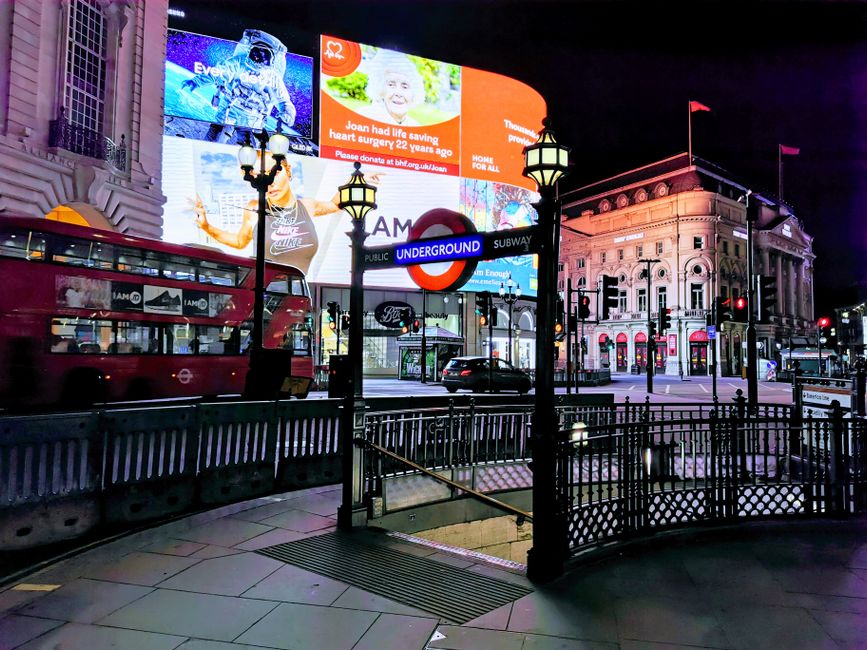
Emergency rubbish clearance near Piccadilly Circus for events
If you are dealing with a last-minute pile-up before, during, or after an event, you already know the feeling: the clock is noisy, the venue is busy, and rubbish seems to appear from nowhere. Emergency rubbish clearance near Piccadilly Circus for events is exactly for those moments when waste needs to disappear quickly, safely, and with as little disruption as possible. Around Piccadilly Circus, where footfall is heavy and access can be tight, that speed matters even more than usual.
This guide explains what urgent event waste removal involves, how it works in practice, who needs it, and how to choose the right approach when the pressure is on. You will also find a checklist, common mistakes to avoid, and a realistic view of compliance, timing, and service options. No fluff. Just the useful bits, because let's face it, nobody wants to be dealing with overflowing bags while guests are still on site.
Table of Contents
- Why Emergency rubbish clearance near Piccadilly Circus for events Matters
- How Emergency rubbish clearance near Piccadilly Circus for events Works
- Key Benefits and Practical Advantages
- Who This Is For and When It Makes Sense
- Step-by-Step Guidance
- Expert Tips for Better Results
- Common Mistakes to Avoid
- Tools, Resources and Recommendations
- Law, Compliance, Standards, or Best Practice
- Options, Methods, or Comparison Table
- Case Study or Real-World Example
- Practical Checklist
- Conclusion
- Frequently Asked Questions
Why Emergency rubbish clearance near Piccadilly Circus for events Matters
Events in the Piccadilly Circus area tend to move fast. That is part of the appeal. It is also part of the problem. A conference, launch, pop-up, private party, press event, brand activation, or after-hours hospitality booking can generate more waste than people expect: cardboard packaging, drinks packaging, catering waste, broken display materials, furniture offcuts, floral waste, promotional stock, and the usual mixed bag of items that never quite stays in one place.
When rubbish builds up, it affects more than appearance. It can obstruct walkways, create trip risks, slow down breakdown teams, and make a venue look unfinished or poorly managed. In a busy central London setting, that can ripple outward very quickly. Guests notice. Staff notice. Delivery drivers notice. And if waste is left outside too long, neighbours and passing pedestrians notice too.
Truth be told, event waste is often underestimated until the last minute. The venue was tidy at 6pm; by 10pm there are black bags behind the bar, broken crates near the loading point, and a stack of discarded promotional boards somewhere nobody planned for. Emergency clearance is there to reset the space quickly so the event can continue or close without chaos.
Expert summary: The best emergency rubbish clearance is not just "fast collection". It is fast collection with safe handling, sensible segregation, and minimal disruption to the event, venue staff, and nearby foot traffic.
How Emergency rubbish clearance near Piccadilly Circus for events Works
Emergency rubbish clearance is usually arranged as a rapid-response service. The main difference from standard waste removal is urgency. The team is booked to come in quickly, assess what needs to go, and remove it in a way that fits the site's access, timing, and safety constraints.
In practical terms, the process often looks something like this:
- Initial call or enquiry: You explain the event, the location, what needs clearing, and how urgent it is.
- Rapid assessment: The team checks the likely volume, item types, access issues, and timing constraints.
- Arrival planning: For central London jobs, the team may need to work around loading windows, congestion, building access, or venue rules.
- On-site clearance: Bags, loose waste, broken items, and bulky debris are removed quickly and safely.
- Sorting and disposal: Waste is separated where possible, then taken for appropriate disposal or recycling.
- Final sweep: The area is left presentable and ready for the next phase, whether that is guest turnover, breakdown, or handback to the venue.
For event managers, the key point is this: emergency clearance should feel coordinated, not disruptive. A good team works around staging, service corridors, security staff, and guests without turning the venue into a construction site. That sounds obvious, but in a packed evening schedule it can make all the difference.
If the waste is mixed, awkward, or bulky, it may overlap with general waste removal needs, or with specialist services such as furniture disposal and builders waste clearance if the event includes temporary fit-out or production materials.
Key Benefits and Practical Advantages
Fast rubbish clearance sounds simple, but the real value is in what it prevents. That is where the service earns its keep.
- Protects the guest experience: A clean venue feels controlled, calm, and professional.
- Reduces safety risks: Clear floors and exits help prevent slips, trips, and blocked routes.
- Supports event continuity: If waste is causing bottlenecks, removal gets things moving again.
- Helps teams finish on time: Breakdown crews work faster when they are not fighting against clutter.
- Improves venue handback: The cleaner the space at the end, the easier the close-out.
- Minimises stress: When time is short, a competent clearance crew removes a lot of pressure from the organiser.
There is also a reputational benefit that is easy to overlook. In central London, people often judge a well-run event by the small things: the clean entrance, the neat backstage area, the lack of overflowing bins near the door. Those details stick. They really do.
For larger hospitality or recurring event operations, some organisers also benefit from looking at business waste removal and, where relevant, office clearance if the event includes temporary admin spaces, pop-up workstations, or production offices.
Who This Is For and When It Makes Sense
Not every event needs emergency rubbish clearance. But if you are working in or around Piccadilly Circus, the threshold for "we might need help" is lower than in a quieter area. Access is busier. Timelines are tighter. And the stakes of leaving waste unmanaged are higher.
This service makes sense for:
- Event organisers dealing with a sudden waste spike after setup or breakdown
- Venue managers who need a space reset before the next booking
- Catering teams facing packaging, food waste, glass, and mixed disposables
- Production crews clearing temporary set materials, props, and packaging
- Retail or brand activation teams running pop-ups with high packaging volume
- Hospitality operators managing post-service rubbish during a busy night
It is especially useful when the waste is not just "a few bags". If you have bulky items, awkward access, wet waste, or a deadline measured in minutes rather than hours, emergency help is often the safer call. To be fair, the moment people start asking "where can we put this lot?" is usually the moment to act.
For smaller jobs, such as clearing leftover furnishings from a temporary lounge, furniture clearance may be more suitable. For storage clutter, props, or surplus stock tucked away after the event, flat clearance or home clearance style approaches can sometimes be adapted, depending on the site and item mix.
Step-by-Step Guidance
If you need rubbish cleared fast near Piccadilly Circus, a calm sequence helps more than frantic calls to three different people. Here is the simplest way to handle it.
- Identify what is urgent. Separate what must go immediately from what can wait until the next collection.
- List the waste types. Bags, cardboard, catering waste, broken stands, furniture, display pieces, mixed debris. The more specific you are, the better.
- Check access. Note service entrances, lift access, loading bays, stairs, security checkpoints, and any time restrictions.
- Estimate volume honestly. If you are unsure, describe it in practical terms: "half a lorry load", "ten bags plus two tables", "three cages of packaging".
- Confirm timing. Say when the clearance must happen and whether the site can pause briefly for collection.
- Prepare the waste area. Consolidate loose items if safe, keep pathways open, and avoid blocking exits.
- Supervise handover. One nominated contact should meet the team and answer access questions quickly.
- Do a final sweep. Check corners, behind bars, under staging, and the back-of-house areas where rubbish likes to hide. It always hides somewhere.
A small but important point: emergency clearance goes smoother when there is one decision-maker. Too many voices on site can slow everything down. One person says keep the chairs, another says get rid of them, and suddenly everyone is staring at a pile of folding tables while the event clock keeps moving. Not ideal.
Expert Tips for Better Results
After enough urgent jobs, a few patterns become obvious. The following tips are the sort that save time and awkwardness.
- Separate sharp or breakable items first. Glass, broken fittings, metal edges, and snapped display materials should be flagged early.
- Keep wet and dry waste apart if possible. It helps with handling and keeps the site cleaner.
- Use one staging point. Scattering bags around the venue slows everything down.
- Photograph the waste area before clearance. Useful for internal records and post-event reconciliation.
- Leave routes open. Even a narrow clear path can make an urgent collection much easier.
- Be honest about access problems. If there is no lift, say so. If the loading bay is awkward, say that too.
One tiny practical thing that often gets missed: label anything that should not be removed. A simple sign on a crate or equipment stack can stop confusion. It is boring advice, I know, but boring advice is sometimes the best kind.
If your event leaves behind reusable items, you may want to separate them before the clearance. That way, reusable stock does not end up mixed with waste. A service such as recycling and sustainability awareness can support that separation mindset, even during a rush.
Common Mistakes to Avoid
Emergency rubbish clearance gets more expensive, slower, or messier when the basics are handled badly. Most problems are avoidable.
- Leaving the booking too late: Waiting until waste is blocking access usually creates more stress and fewer options.
- Underestimating volume: A few "small piles" can become a serious load once the event is over.
- Mixing everything together: Food waste, packaging, furniture, and electrical items all have different handling needs.
- Ignoring access restrictions: If the venue has tight loading windows, the clearance needs to fit them.
- Assuming any waste crew can handle event conditions: Some jobs need more care, more speed, or both.
- Forgetting the aftermath: If the area is not swept properly, the site still feels unfinished.
Another mistake is focusing only on the pile you can see. At events, rubbish often spreads into little clusters: a box behind a curtain, two sacks in the prep room, cartons near the service door. Miss those and the space never quite feels cleared. Annoying, but common.
Tools, Resources and Recommendations
You do not need a toolbox full of specialist gear to manage event waste well, but a few simple resources make urgent clearance smoother.
| Tool or Resource | Why It Helps | Best Use |
|---|---|---|
| Heavy-duty bin bags | Contain mixed lightweight waste quickly | Back-of-house, bar areas, prep zones |
| Clear labels | Prevents useful items from being removed by mistake | Equipment, stock, and reusable materials |
| Gloves and basic PPE | Supports safe handling of sharp or dirty waste | Staff sorting waste before handover |
| Site access notes | Speeds up arrival and reduces confusion | Loading bays, service entrances, security points |
| Clear contact list | Stops delays when decisions are needed on-site | Event manager, venue lead, security, suppliers |
For businesses that run events regularly, it can also help to align clearance planning with broader services like business waste removal and seasonal stock or furniture disposal. If a venue is being reconfigured after an event, house clearance style support may not be the exact label, but the same methodical approach to sorting and removal is often useful.
Law, Compliance, Standards, or Best Practice
Any waste handling in the UK should be approached carefully, especially in a central London environment with shared access, public footfall, and venue obligations. While this article is not a legal guide, the broad best practice is straightforward: waste should be collected, transported, and disposed of responsibly, with due care for safety, segregation, and traceability where appropriate.
For event organisers, the practical compliance points usually include:
- Safe handling: Prevent slips, cuts, manual handling injuries, and blocked routes.
- Proper segregation: Keep hazardous, sharp, or unsuitable items separate where needed.
- Responsible disposal: Use a service that manages waste appropriately, not just quickly.
- Site coordination: Follow venue rules, loading restrictions, and security procedures.
- Insurance and safety awareness: Check that the contractor operates with sensible safeguards in place.
In practice, a good operator will be comfortable discussing access, lifting, item types, and the route waste will take off site. If they are vague about all of that, that is usually a yellow flag. Not always a disaster, but worth noticing.
For peace of mind, it can help to review a provider's health and safety policy, insurance and safety information, and terms and conditions before work begins. Those pages help set expectations clearly, which is what you want when the job is urgent.
Options, Methods, or Comparison Table
There is more than one way to deal with event rubbish near Piccadilly Circus. The right option depends on volume, urgency, and how much disruption you can tolerate.
| Method | Best For | Pros | Limitations |
|---|---|---|---|
| In-house staff removal | Very small waste volumes | Immediate, low cost | Can distract staff and create safety issues |
| Planned same-day clearance | Moderate event waste | Predictable, efficient | Needs enough lead time |
| Emergency rubbish clearance | Urgent, unexpected, or high-volume waste | Fastest response, reduces disruption | Usually costs more than routine removal |
| Specialist mixed-item removal | Bulky items, furniture, packaging, debris | Handles awkward loads well | May require clearer item details upfront |
If you are deciding between urgent collection and waiting until after the event, ask one simple question: will delaying the clearance create a safety issue or stop the event running properly? If the answer is yes, urgency usually wins. That is the honest answer, even if it is not the cheapest one.
Case Study or Real-World Example
Picture a Thursday evening event near Piccadilly Circus: a brand launch with catering, a small stage, pop-up displays, and a tight turnaround before the venue is handed back the next morning. By the end of the night, the back-of-house area has become a patchwork of black bags, flattened cardboard, broken display packaging, and a couple of bulky items nobody expected to deal with until later.
The venue team notices the waste is starting to block a service corridor. Not dramatic, but enough to slow staff movement and make the space feel cluttered. A quick emergency clearance is arranged. The crew arrives with a clear brief, works through the access point with minimal fuss, removes the waste in stages, and leaves the back areas open for the breakdown team.
The useful lesson is not that everything went perfectly. It did not. Someone had left a stack of reusable stools mixed in with packaging, and that caused a five-minute delay. But because the site contact was clear, the waste was grouped, and the access route was ready, the clearance still happened smoothly enough to keep the handover on track.
That is how these jobs usually go in real life: not magical, just managed well enough that the pressure drops almost immediately. And when the pressure drops, everyone breathes a bit easier.
Practical Checklist
Use this checklist before you book or during the scramble, whichever comes first.
- Confirm the exact location and access point near Piccadilly Circus
- List the waste types clearly
- Separate reusable items from rubbish
- Identify any sharp, heavy, or awkward items
- Check loading windows and venue rules
- Nominate one on-site contact
- Keep pathways and exits clear
- Ask about safety, insurance, and disposal handling
- Make sure the clearance timing fits the event schedule
- Do a final sweep after collection
Quick reminder: if the pile looks manageable from one angle but not from another, trust the second view. Waste has a sneaky habit of multiplying when no one is looking.
Get a free quote today and see how much you can save.
Conclusion
Emergency rubbish clearance near Piccadilly Circus for events is really about control: control over timing, safety, presentation, and the all-important handover at the end of a busy schedule. When an event is live, there is rarely time to overthink waste. You need a simple, dependable way to get the space back in order.
The strongest results come from clear communication, realistic volume estimates, good access planning, and a service that understands central London conditions. That is the difference between a frantic clean-up and a proper reset. Small difference on paper. Big difference on site.
If you are preparing an event, managing a venue, or facing a last-minute rubbish problem in the West End, it is worth choosing a team that treats the job like part of the event itself, not an afterthought. Clean, calm, and done on time. That is the goal, and honestly, a very fair one.
Frequently Asked Questions
What counts as emergency rubbish clearance for events?
It usually means urgent removal of waste that cannot wait for a standard collection. That might include overflowing bags, catering waste, packaging, broken items, or bulky debris that is affecting safety, access, or event flow.
How fast can emergency rubbish clearance near Piccadilly Circus happen?
It depends on availability, access, and what needs removing. In urgent situations, the process is designed to move quickly, but the exact timing should always be confirmed with the provider before you rely on it.
Can emergency clearance happen while an event is still running?
Yes, sometimes it can. A good team will work around guests, staff, and service routes so the event can continue with minimal disruption. The more precise your site plan, the smoother this tends to be.
What types of waste are common after events?
Typical event waste includes cardboard, plastic packaging, drink containers, food waste, floral waste, signage, props, disposable service items, and sometimes bulky furniture or display materials.
Is emergency rubbish clearance suitable for small events too?
Yes. Even a small event can generate awkward waste if the venue is tight on space or the turnaround is short. A smaller job can still be urgent if access or time is limited.
Do I need to sort the waste before the crew arrives?
If you can sort it safely, it helps. But do not spend so long sorting that you delay the clearance. Grouping items by type is useful, yet speed and safety come first when the clock is against you.
What should I tell the clearance team when I book?
Share the location, access details, waste types, estimated volume, timing constraints, and any special risks such as sharp items or heavy objects. Clear information upfront prevents most problems later.
How do I choose between waste removal and furniture clearance?
If the main issue is mixed rubbish or event debris, general waste removal may be enough. If bulky seating, tables, or display furniture need to go, furniture clearance is often the better fit.
Are there compliance issues I should worry about?
Yes, especially around safe handling, access management, and responsible disposal. You do not need to become a compliance expert overnight, but you should work with a provider that understands safety and proper waste handling.
What if the venue has restricted access or loading times?
That is common in central London. Tell the provider as early as possible so the clearance can be planned around the access window. Restricted access is inconvenient, but manageable with good coordination.
Can urgent clearance include items left over from a temporary fit-out or stage build?
Yes, often it can. Materials from event builds, such as packaging, offcuts, and light construction debris, may require a clearance approach closer to builders waste clearance than simple bag collection.
What is the best thing to do if rubbish is already blocking a route?
Act quickly. Keep people away from the blockage if it is safe to do so, nominate one contact to coordinate the response, and arrange urgent removal as soon as possible. Little delays become big ones in a busy event space.